“artificial hybridization” search results (200)
Detailed Analysis of four cultivation Systems of Coffee in Ethiopia
Forest coffee (Forest Coffee): wild coffee, which accounts for 10% of Ethiopia's national output, is distributed in the wild coffee forest areas of the west and southwest, also known as the Kafa forest. The dense trees here provide the most natural shade for coffee trees and do not need manual care. Mother Earth is in charge of birth, aging, sickness and death, and coffee farmers can go directly to the woodland to harvest. Hansen
2015-02-12 Ethiopia Coffee four cultivation system detail Analysis Forest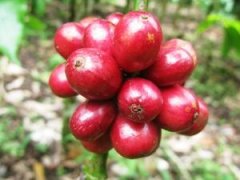
Detailed Analysis of four cultivation Systems of Coffee in Ethiopia
Forest coffee (Forest Coffee): wild coffee, which accounts for 10% of Ethiopia's national output, is distributed in the wild coffee forest areas of the west and southwest, also known as the Kafa forest. The dense trees here provide the most natural shade for coffee trees and do not need manual care. Mother Earth is in charge of birth, aging, sickness and death, and coffee farmers can go directly to the woodland to harvest. Hansen
2015-10-22 Ethiopia Coffee four cultivation system detail Analysis Forest
El Salvador Coffee Flavor Description Grind Characteristics Variety Producing Area Manor Taste Introduction
The chaos caused by the coffee variety civil war affected economic development, but ironically allowed the ancient coffee varieties to be preserved. The situation was too chaotic for Salvadoran coffee producers to catch up with the trend of coffee variety renewal in Central and South America. El Salvador produces 100% Arabica coffee, of which 68% is Bourbon (Coffea arabica var. bourbon),29% Pa
2016-10-12 El Salvador Coffee Flavor Description Grind Characteristics Variety Region Manor Mouth
Detailed Analysis of four cultivation Systems in Coffee producing areas of Ethiopia
Forest coffee (Forest Coffee): wild coffee, which accounts for 10% of Ethiopia's national output, is distributed in the wild coffee forest areas of the west and southwest, also known as the Kafa forest. The dense trees here provide the most natural shade for coffee trees and do not need manual care. Mother Earth is in charge of birth, aging, sickness and death, and coffee farmers can go directly to the woodland to harvest. Hansen
2015-12-25 About Ethiopia coffee producing areas four cultivation system detailed analysis
Introduction to the flavor and taste of boutique coffee beans in Tianyi Manor, Nicaragua
Columbus arrived here in 1502 and reached the east coast of Nicaragua. In 1522, Spanish colonists began to conquer the region. The cities of Granada and Leon were founded in 1524. From then on, Nicaragua became a Spanish colony and came under the jurisdiction of the Governor's Office of Guatemala. The city of Leon developed into a political and cultural center; Granada became a commercial and agricultural center. In the later period of colonial rule
2016-09-23 Nicaragua providence manor coffee variety boutique coffee beans flavor taste
Treatment methods of coffee in the main producing areas of coffee in El Salvador
The civil war in coffee varieties caused chaos and affected economic development, but ironically allowed coffee antiquities to be preserved, and the situation was so chaotic that coffee producers in El Salvador failed to catch up with the renewal of coffee varieties in Central and South America. El Salvador produces 100% Arabica coffee, of which 68% is Bourbon, Coffea arabica var. Bourbon), 29% Pa
2016-06-18 El Salvador coffee main producing area treatment mode method variety inner
Treatment methods of coffee in the main producing areas of coffee in El Salvador
The civil war in coffee varieties caused chaos and affected economic development, but ironically allowed coffee antiquities to be preserved, and the situation was so chaotic that coffee producers in El Salvador failed to catch up with the renewal of coffee varieties in Central and South America. El Salvador produces 100% Arabica coffee, of which 68% is Bourbon, Coffea arabica var. Bourbon), 29% Pa
2016-06-18 El Salvador coffee main producing area treatment mode method variety inner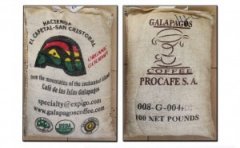
Coffee roasting training Ecuadorian boutique coffee
Chongqing Brista Coffee West Point training School Coffee roasting training will bring you a relatively rare and precious coffee from Ecuador in South America. This bean comes from Ecuador but rarely bears the name of Ecuador. Instead, it is directly named Galapagos after its origin. The island is more than 1000 kilometers away from Ecuador, because it is away from the land.
2014-09-25 Coffee knowledge coffee roasting boutique coffee Ecuador boutique coffee
Four major cultivation systems of Ethiopian coffee analyze in detail how Ethiopian coffee is cultivated.
Forest coffee (Forest Coffee): wild coffee, which accounts for 10% of Ethiopia's national output, is distributed in the wild coffee forest areas of the west and southwest, also known as the Kafa forest. The dense trees here provide the most natural shade for coffee trees and do not need manual care. Mother Earth is in charge of birth, aging, sickness and death, and coffee farmers can go directly to the woodland to harvest. Hansen
2016-03-16 Ethiopia coffee big four cultivation system detailed analysis how forest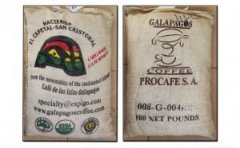
Ecuadorian boutique coffee is rare and precious coffee.
Ecuador is a rare and precious coffee from South America. Although it comes from Ecuador, this bean is rarely named Ecuador, but it is directly named Galapagos after its origin. The island is more than 1000 kilometers away from Ecuador. Because it is far away from the land, the vegetation is rarely destroyed, so it has always been an isolated treasure trove of plants.
2015-09-02 Ecuador boutique coffee comparison rare expensive from South America
The type of coffee is called coffea in the biological genus.
Coffee is called coffea in the biological genus. This genus is a member of the Rubiaceae family. It has more than 500 species and more than 6000 varieties, most of which are tropical trees and shrubs. From the point of view of drinkers, coffee trees can be roughly divided into five species, of which Arabica and Robusta are more common. Arabica species account for more than 70% of the world's total output.
2015-05-07 Coffee species biology genus name coffea coffee genus.
Introduction to the flavor and taste of El Salvador boutique coffee with deep taste
The grading standard of Salvadoran coffee is based on the altitude of planting, the highest grade is SHG: more than SHG:Strictly High Grown-1200 meters, more than HG:High Grown-900 meters, and more than CS:Central Standard-600 meters. Introduction to Pacamara: Pacamara varieties are artificially cultivated varieties of Pacas and Maragogipe. 1958 by Salva
2016-07-14 Depth taste El Salvador boutique coffee flavor introduction
Detailed analysis of forest and semi-forest system of four major cultivation systems of Ethiopian coffee
Forest coffee (Forest Coffee): wild coffee, which accounts for 10% of Ethiopia's national output, is distributed in the wild coffee forest areas of the west and southwest, also known as the Kafa forest. The dense trees here provide the most natural shade for coffee trees and do not need manual care. Mother Earth is in charge of birth, aging, sickness and death, and coffee farmers can go directly to the woodland to harvest. Hansen
2015-04-01 Ethiopia Coffee Big four cultivation system detail Analysis Forest
El Salvador Himalayan Coffee Flavor description Grinding characteristics introduction to the taste of varieties in producing areas
The civil war in coffee varieties caused chaos and affected economic development, but ironically allowed coffee antiquities to be preserved, and the situation was so chaotic that coffee producers in El Salvador failed to catch up with the renewal of coffee varieties in Central and South America. El Salvador produces 100% Arabica coffee, of which 68% is Bourbon, Coffea arabica var. Bourbon), 29% Pa
2016-10-12 El Salvador Himalayas coffee flavor description grinding characteristics varieties producing areas
Introduction of mixed-race Pacamara, Durai and Kaddura Coffee from El Salvador
The grading standard of Salvadoran coffee is based on the altitude of planting, the highest grade is SHG: more than SHG:Strictly High Grown-1200 meters, more than HG:High Grown-900 meters, and more than CS:Central Standard-600 meters. Introduction to Pacamara: Pacamara varieties are artificially cultivated varieties of Pacas and Maragogipe. 1958 by Salva
2016-06-22 Salva Dodo mixed race Parka Mara Dula coffee variety introduction Sal
Very soft El Salvador Coffee Manor Flavor and Taste introduction to Mercedes Manor
The grading standard of Salvadoran coffee is based on the altitude of planting, the highest grade is SHG: more than SHG:Strictly High Grown-1200 meters, more than HG:High Grown-900 meters, and more than CS:Central Standard-600 meters. Introduction to Pacamara: Pacamara varieties are artificially cultivated varieties of Pacas and Maragogipe. 1958 by Salva
2016-08-04 Very soft El Salvador coffee manor producing area flavor taste characteristics introduction
El Salvador Himalayan Coffee Bean Flavor Taste Manor characteristics of El Salvador Coffee
The grading standard of Salvadoran coffee is based on the altitude of planting, the highest grade is SHG: more than SHG:Strictly High Grown-1200 meters, more than HG:High Grown-900 meters, and more than CS:Central Standard-600 meters. Introduction to Pacamara: Pacamara varieties are artificially cultivated varieties of Pacas and Maragogipe. 1958 by Salva
2016-08-05 El Salvador Himalayas coffee beans flavor taste manor producing area characteristics introduction
Washed and sun-dried Salvadoran plus coffee introduces the IzaIco area of Sonsonate province
The current situation of coffee production is a natural and man-made disaster, which is a perfect description of the challenges facing the coffee industry in El Salvador. Despite getting rid of the haze of war, El Salvador's coffee production still faces challenges from time to time, including: 1998, hurricanes; 2001, earthquake; 2002, volcanic eruption; 2012, leaf rust, storm; despite the challenges, El Salvador
2016-06-22 Washing processing tanning drying Salva Doga Coffee introduction Sonso
El Salvador coffee producing area introduces boutique coffee Santa Ana volcano area
The civil war in coffee varieties caused chaos and affected economic development, but ironically allowed coffee antiquities to be preserved, and the situation was so chaotic that coffee producers in El Salvador failed to catch up with the renewal of coffee varieties in Central and South America. El Salvador produces 100% Arabica coffee, of which 68% is Bourbon, Coffea arabica var. Bourbon), 29% Pa
2016-07-02 El Salvador coffee producing area introduction boutique Anna volcano region product
Washed and sun-dried Salvadoran coffee flavor and taste introduce boutique coffee beans
Coffee flavor and quality El Salvador is a producer of high-quality commercial Arabica beans and is famous for its strict and effective quality control. Since 2003, he has joined the COE competition. With excellent ancient coffee, it successfully entered the boutique coffee market.
2016-07-11 Washing processing tanning drying El Salvador coffee flavor taste introduction essence